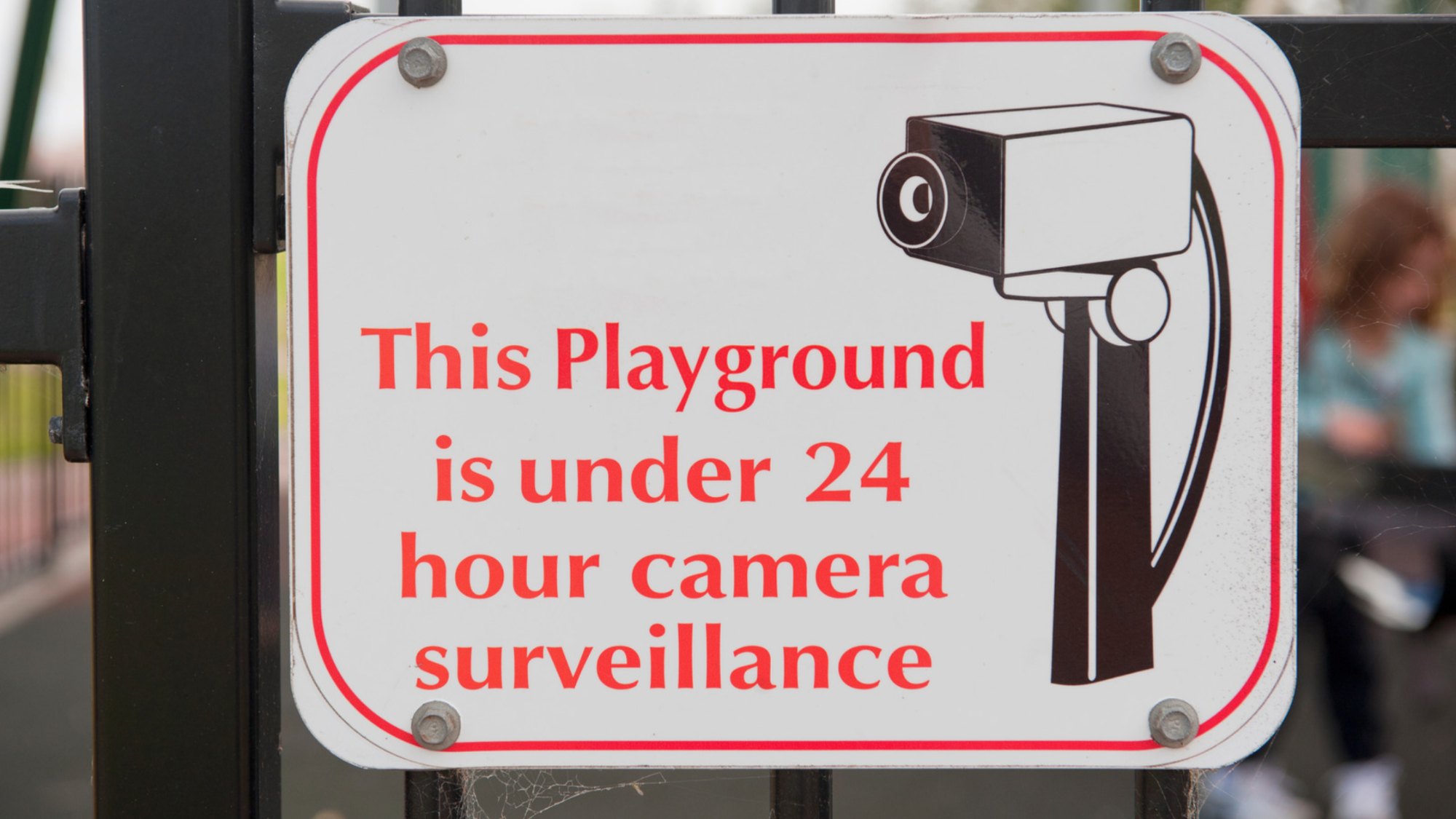
On Sunday 8 November, the federal Education Minister was asked whether he could reassure parents their kids will be protected in child care. His answer was blunt: "I think we've seen some pretty horrific evidence that they're not." The next day, he and Early Childhood Education Minister Jess Walsh announced $11.5 million to help not-for-profit services install or upgrade cameras.
If you've been in a staff room since, you've heard what educators think. Plenty of it is sceptical, and some of it is worth hearing. And in at least one case behind this year's headlines, footage is what showed what happened.
What was actually announced?
It's a grant, not a requirement to install cameras. The announcement didn't say how much each service can get, which not-for-profits qualify or when applications open. The Minister said about 30 per cent of centres already have cameras.
The money comes after a national assessment that trialled CCTV in more than 300 services, with the Australian Federal Police and the Australian Centre for Child Protection. It found that CCTV "can be a valuable tool when used as part of a broader safeguarding approach", but it "cannot and should not replace active supervision by trained educators." Ministers have also agreed to write national guidance on how cameras should be used.
Why would a service want cameras?
Start with the case shown on Four Corners. A worker at a Far North Queensland centre, accused of assaulting a 13-month-old boy, denied hurting the children and blamed another child. When she was told the footage showed it was her, she pleaded guilty. A baby that age can't tell anyone what happened, and here the footage did.
Cameras can look after educators, too. Picture a child who trips and hits their face on the edge of a path, in the one second the nearest educator was looking at someone else. Even at the ratios the law sets, nobody can watch every child every moment. When the family asks what happened, footage can answer that instead of guesswork.
Crime research helps a little, with a catch. A review of 40 years of CCTV crime-prevention studies found a "significant and modest" drop in crime, with the clearest results in car parks. CCTV worked better when someone was actively watching, and when cameras were one measure among several. A playroom isn't a car park, but that part seems to carry over.
Why are many educators unconvinced?
The objection you hear most is that a camera only sees what has already happened. The Minister said as much: "it's not useful in prevention, not as useful as having human beings with eyes on their kids and being trained properly." So people ask: would $11.5 million keep more children safe as extra staff, so an educator is less often alone with a group? Or as funding that keeps a small community service open at all?
Then there's privacy. Footage of children is among the most sensitive records a service holds. In 2025, hackers took the photos, names and addresses of about 8,000 children from a London nursery chain. The children being filmed can't agree to it. And some educators say a room feels different when you know you're on camera all day.
Some educators worry about something quieter: footage makes it easy to blame one person and never ask how the provider hires, trains and supports its staff.
If your service is thinking about it
Regulation 168 already says your service needs a policy on the safe use of digital technologies, and that policy has to cover "the use of any optical surveillance device", with closed-circuit television given as the example. Install cameras and that policy has to deal with them. In Western Australia, check the WA version of the regulations.
Before you apply or install, try writing the answers out with your team. What is the camera for? Where will it point, and where will it never point? Who can watch the footage, and how long do you keep it? What will you tell families and staff? How does it support your supervision plan rather than replace it? If the answers won't come yet, the national guidance may help.
Whether your service puts cameras up or not, the harder question is the same one: what would it take for a child, or an educator, never to need the footage?
Sources
- Jason Clare, Television interview, Sunday Agenda, 8 November 2026.
- Jason Clare and Jess Walsh, Next steps to strengthen early education as more services meeting standards than ever, 9 November 2026.
- ABC News, Child care sector faces further changes after shocking abuse exposed by Four Corners, 29 October 2026.
- Piza, E. L., Welsh, B. C., Farrington, D. P. and Thomas, A. L. (2019). CCTV surveillance for crime prevention: A 40-year systematic review with meta-analysis. Criminology and Public Policy, 18(1), 134 to 159.
- Brocki, L., Phillips, A. and Price, K. (University of New England), A UK hack shows Australia needs to be very careful about its CCTV trial for daycare centres, The Conversation, 28 October 2025.
- Education and Care Services National Regulations, regulation 168(2)(ha).
Please read: This is general information, not legal advice. Grant details had not been published when we checked; follow the Department of Education for eligibility and dates. If you're updating your digital technologies policy or your supervision plan, you can ask the Ask ECE Knowledge Engine what the National Regulations require, or start from our Policy Templates.